It’s completely understandable that you’re dealing with intense Sugar and Carb Cravings. This isn’t a lack of willpower; it’s a real challenge tied to blood sugar regulation and brain chemistry, especially for those managing or at risk of diabetes. The good news is that scientific research provides clear, actionable strategies you can use to take control and move toward better health and weight management.
Are you tired of feeling the constant pull toward quick-fix sugary snacks or refined carbs? If you’re experiencing early diabetic symptoms, have a recent diagnosis, or are simply focused on managing your weight, those intense food cravings can feel like your greatest obstacle. They aren’t just a mental hurdle; they often signal a biological need for your body to restore balance. By applying evidence-based strategies, you can significantly reduce these cravings and stabilize your energy for good.
Why You Crave Sugar and Carbs: Understanding the Cycle
For individuals with prediabetes or Type 2 diabetes, carbohydrate craving is a very common issue, often correlating with poor glycemic control (high HbA1c levels). Here’s a breakdown of the craving cycle:
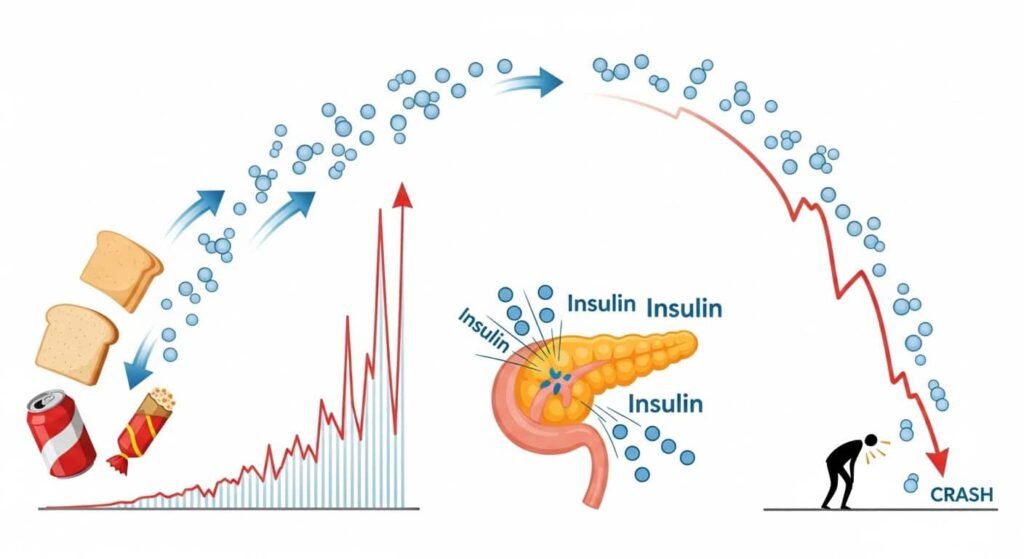
- The Glucose Rollercoaster: When you consume simple carbohydrates (like white bread, soda, or candy), they are rapidly digested, causing a powerful spike in blood glucose. Your pancreas releases a rush of insulin to move that glucose into your cells. This can lead to a rapid drop, or “crash,” in blood sugar.
- The Hunger Signal: The rapid drop in blood sugar triggers your body’s survival mechanism, signaling intense hunger and a desperate need for quick energy. Because simple carbs offer the fastest fuel, the craving for them surges—a vicious cycle that encourages you to seek out more high-sugar foods.
- The Role of Insulin Resistance: If you have insulin resistance, your cells don’t respond well to insulin, so your pancreas pumps out even more. This excess insulin is a storage hormone that makes it harder for your body to access stored fat for energy later, leaving you feeling hungry again shortly after eating.
Practical Strategies to Fight Sugar and Carb Cravings Naturally
You have the power to break the craving cycle. The most effective approach focuses on stabilizing blood sugar and supporting your body’s natural fullness signals.
1. Master Your Plate with Protein, Fat, and Fiber
This is arguably the most impactful change you can make. When you eat carbohydrates alone, they digest quickly. When you pair them with protein, healthy fat, and fiber, you dramatically slow down the absorption of sugar into your bloodstream.
- Protein is Power: High-protein foods are the most potent for stimulating satiety (the feeling of fullness). Protein increases the production of gut hormones like GLP-1, which signals satisfaction and helps reduce the “hunger hormone,” ghrelin. Action: Ensure every meal and snack includes a palm-sized portion of protein (e.g., chicken, fish, beans, Greek yogurt).
- Fiber Fights the Spike: Fiber, a type of carbohydrate your body doesn’t digest, slows the movement of food through your stomach. This results in a slower, more gradual rise in blood sugar, preventing the rapid spike-and-crash that triggers cravings. Action: Eat fiber-rich foods like non-starchy vegetables (leafy greens, broccoli) at every meal.
2. Control Your Timing
It’s not just what you eat, but when you eat it.
- Time-Restricted Eating (TRE): Eating within a set window—like 8 hours—and fasting for the remaining 16 helps align your meals with your body’s natural circadian rhythm, improving metabolism and insulin sensitivity.
- Intermittent Fasting (16:8): By fasting 16 hours and eating during an 8-hour window, your body gets time to burn stored fat for energy, lower blood sugar, and reduce inflammation naturally.
3. Leverage Lifestyle Habits for Lasting Change
Your habits outside the kitchen significantly impact your cravings.
- Prioritize Sleep: Lack of sleep increases the craving for sugary foods and can affect hormones that regulate appetite. Aim for 7 to 8 hours of quality sleep nightly.
- Manage Stress: Stress is a major trigger for carb cravings. Many people reach for sweet, comforting foods to boost their mood quickly (a release of dopamine). Action: When a craving hits, take a 5-minute break for deep breathing, a quick walk, or calling a friend to distract your brain.
- Try Aerobic Exercise: Regular aerobic activity has been shown to increase sweet taste sensitivity and decrease sweet taste preference in people with diabetes, potentially contributing to better glycemic control.
Hope and a Path Forward
You are not destined to live with overwhelming sugar and carb cravings. They are manageable symptoms of an underlying imbalance that you can correct. By focusing on consistent, balanced meals rich in protein and fat, and by prioritising essential lifestyle factors like sleep and stress management, you will find that those intense cravings gradually fade away. Take the first step today by balancing your next meal—your blood sugar, your weight, and your energy levels will thank you. And remember, your financial health will, too. As I explored in my recent article, the belief that a diabetic diet must be costly in Malaysia is a pervasive myth. Healthy, local, and affordable ingredients like brown rice, lean protein, and plenty of vegetables are readily available and form the basis of effective, budget-friendly meal planning.